


About
Program Overview
The Culinary Medicine program at Marshall University’s Joan C. Edwards School of Medicine in Huntington, West Virginia, is built on a distinctive interprofessional model that brings fourth-year medical students and dietetic interns together in the kitchen — side by side — to learn from each other as much as from the curriculum itself. Led by cardiologist Dr. N. Andrew Vaughan in partnership with the Department of Nutrition and Dietetics, the program launched its first elective for medical students in spring 2022 and has since expanded into a mandatory rotation for dietetic interns.
Programming spans two learner populations:
- Fourth-Year Medical Students complete an optional two-week culinary medicine elective covering 14 Health meets Food modules in total — four delivered as in-person hands-on cooking sessions and approximately ten completed through self-study. Topics include introductory culinary medicine, neurocognition, diabetes and carbohydrates, and more. This has been cited as the most popular elective among fourth year medical students, with up to a third of the students participating.
- Dietetic Interns complete a mandatory two-week culinary medicine rotation (expanding to three weeks) as part of their supervised practice. Interns assist with procurement and class preparation and co-cook alongside medical students during in-person sessions, lead nutrition discussions for the class, and collaborate on case studies — simultaneously meeting core dietetic internship competencies while gaining real-world interprofessional experience.
The two groups work together at five cooking stations, with interns providing depth on nutrient science and food composition while medical students contribute their knowledge of physiology, lab values, and clinical context. The result is a genuinely collaborative learning experience that both groups describe as one of the most meaningful of their training.
Sessions are currently held at Huntington’s Kitchen — a well-equipped downtown teaching kitchen formerly used as Jamie Oliver’s studio during the filming of Kitchen Revolution and now shared with Mountain Health Network.
The program lives within the medical school, with instruction and space supported by the Department of Nutrition and Dietetics. Food and curriculum costs are funded through the medical school; dietetics faculty contribute time and kitchen expertise. The program has drawn interest from family medicine, obesity medicine, and GME leadership — and is actively exploring expansion into residency training in response to LCME nutrition integration requirements.
Faculty Leadership
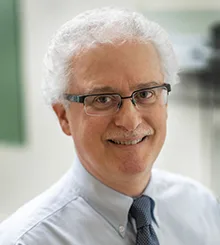 Andrew Vaughan, MD, MBA, CCMS — Program Lead
Dr. Vaughan is an Associate Professor in the Department of Cardiovascular Services at the Joan C. Edwards School of Medicine, with over 40 years of clinical practice in cardiology. In 2015, he recognized the centrality of diet and lifestyle in addressing the epidemic of obesity and vascular disease and pursued formal culinary medicine training at Tulane University, earning his CCMS certification in January 2016. He joined Marshall’s full-time faculty in 2018 and has since built the culinary medicine program from the ground up, establishing a lipid and prevention clinic in cardiology which provides students, residents and fellows the opportunity to see the principles of culinary medicine used effectively with medical therapy to treat patients with cardiometabolic diseases.
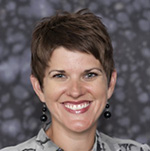 Kelli J. Williams, PhD, RDN, LD — Department Chair, Nutrition and Dietetics
Dr. Williams is Chair and Professor of the Department of Nutrition and Dietetics at Marshall University. A graduate of The Ohio State University, her research focuses on health promotion, disease prevention, obesity, and nutrition education — including work on food access for rural elderly populations and dietary perceptions among Appalachian adolescents.
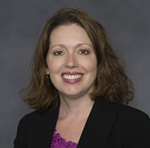 Amy Gannon, EdD, RDN, LD — Associate Professor & Director of the Undergraduate Program
Dr. Gannon co-leads culinary medicine instruction alongside Dr. Vaughan and serves as Director of the Undergraduate Dietetics Program at Marshall University. She is the faculty advisor for Marshall’s Student Academy of Nutrition and Dietetics and brings expertise in dietetics education and community nutrition to the program.
Mary Kathryn Gould, EdD, RDN, LD — Associate Professor & Dietetic Internship Director
Dr. Gould coordinates the ALS rotation for dietetic students. Her clinical background spans community, acute, and long-term care settings, with a focus on clinical nutrition and nutrition education.
Mallory Mount, EdD, RDN, LD, CDCES, FAND — Faculty
Dr. Mount directs Marhall’s Dietetic Internship program and is a faculty advisor for Marshall’s Diabetes Link student organization.
Tim Bender, EdD, RDN, LD — Faculty
Mr. Bender is a faculty member in the Department of Nutrition and Dietetics at Marshall University and oversees the distance dietetics internship program.
Spotlight & Learner Voices
The interprofessional dynamic is consistently the most cited strength of the program. Students and interns arrive with different knowledge bases and leave with a deeper understanding of each other’s roles — and with cooking skills and patient counseling strategies they didn’t have before.
From medical student participants:
“Dr. Vaughan and the dietetics students were super engaging and knowledgeable about how to alter recipes to help patients adopt healthier eating habits. Invaluable.”
“I loved this rotation! Dr. Vaughan did a great job teaching and making sure we had fun with what we were doing. Everyone on the team was fantastic and this was definitely one of my favorite rotations by far.”
From a dietetic intern:
“When preparing the meals, the medical students often turned to the dietetic interns for guidance on nutrition. When we began working on case studies, the medical students were incredibly helpful discussing symptoms, lab values, and chemistry. We all discussed how interesting it is that dietetic students could share their knowledge about how nutrition impacts the body, while medical students could share their knowledge about the physiological process of it all.”
Lessons Learned & Advice for Other Programs
Dr. Vaughan and his colleagues offer this to programs just getting started: be patient, stay nimble, and recognize opportunities when they present themselves. Don’t be afraid to knock on doors — and don’t underestimate the power of culinary medicine as a marketing tool for attracting strong dietetic interns.
For more information, contact Dr. N. Andrew Vaughan: vaughann@marshall.edu


