


About
Program Overview
The Culinary Medicine program at the Keck School of Medicine of USC is housed within the Department of Medical Education and supports medical students, dietetic interns, undergraduate pathway students, residents, and fellows. The program began as a wellness and self-care initiative for first- and second-year medical students and has gradually expanded to include interdisciplinary offerings with dietetics, a summer pathway program, and an innovative fourth-year elective. Led by Greg Harlan, MD, MPH with support from culinary and nutrition faculty partners, the program emphasizes hands-on cooking, food literacy, self-care, and practical nutrition strategies that learners can use both personally and in clinical practice.
Programming spans multiple disciplines:
- Medical Students – Around 60 first- and second-year students complete the Introduction to Culinary Medicine module as part of their required self-care curriculum. Sessions prioritize hands-on cooking, shared food memories, and community-building.
- Fourth-Year Medical Students – USC offers a for-credit, two-week elective enrolling eight fourth-year students per cycle. Learners complete three ACCM modules and take part in a series of applied experiences including a potluck, neighborhood food tour, grocery store visit, WIC office observation, a standardized patient encounter integrating nutrition and motivational interviewing, and a morning shadowing experience with an RD.
- Dietetic Interns (USC Main Campus) – Through a previous grant, dietetic interns collaborated with medical students for interdisciplinary sessions, supporting hands-on learning and nutrition integration. This collaboration is currently paused due to bandwidth limitations but demonstrated strong value.
- Undergraduate Pathway Students – As part of USC’s summer pathway program for underrepresented students, approximately 20 participants complete a hands-on cooking class modeled on the Introduction to Culinary Medicine session, supported by 1–2 medical student volunteers.
- Residents & Fellows – Culinary Medicine sessions have been delivered for Internal Medicine, Pediatrics, and Family Medicine residents, as well as for fellows as part of wellness programming. This remains an area with strong potential for future growth.
Classes typically take place in a shared teaching kitchen at the LA General Medical Center Wellness Center, though scheduling conflicts occasionally require relocation to classroom-based cooking sessions.
Faculty Leadership
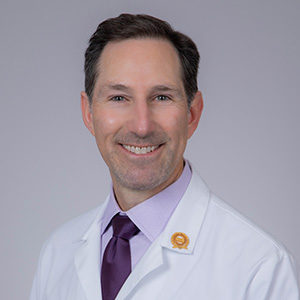 Greg Harlan, MD, MPH — Program Lead
Dr. Harlan leads Culinary Medicine programming across the Keck School of Medicine, emphasizing physician well-being, nutrition literacy, and community-building through shared meals. He is committed to expanding Culinary Medicine across all four years of training and into residency education.
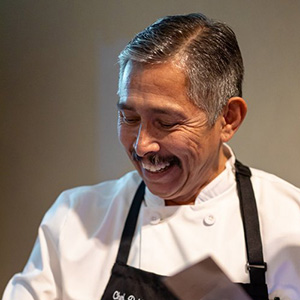 Chef Pablo — Chef Educator
Chef Pablo provides hands-on instruction, manages kitchen operations, and adapts recipes and demonstrations to settings ranging from full kitchens to standard classrooms. He is central to maintaining program quality and learner engagement.
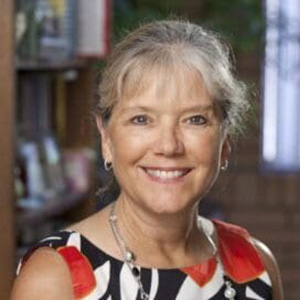 Cary Kreutzer, EdD, MPH, RD — Dietetics Faculty Partner
Dr. Kreutzer contributes nutrition expertise and supports interdisciplinary teaching between dietetics and medical students.
Spotlight & Media
- USC’s Keck Chefs student group organizes 1–2 hands-on cooking classes per year, with Dr. Harlan serving as faculty advisor.
- The program is widely viewed as a hub for well-being and connection, with many students citing Culinary Medicine as a highlight of their medical education.
- The fourth-year Culinary Medicine elective has received consistently strong feedback, with students reporting increased confidence in patient counseling and the ability to articulate food- and lifestyle-focused care approaches in residency applications. One fourth-year medical student shared: “I really enjoyed the course and wish it was a staple of our medical school curriculum. I feel very fortunate I was able to participate and think it will have a lasting impact on my life and my patients.”
- Early learners also report meaningful shifts in mindset and approach. A first-year medical student noted: “I learned a good, systematic approach to learning and teaching myself—and patients—how to slowly change eating habits.”
- sStudents frequently highlight the accessibility of culinary strategies taught in the program. As one first-year student reflected: “Incorporating more vegetables is easier than I thought. Instead of switching from a meat sauce to a veggie-only sauce, we can use a mix of lentils and mushrooms with meat—it’s hearty and nutritious.”
Lessons Learned & Advice for Other Programs
Dr. Harlan emphasizes that Culinary Medicine should not rely on a single champion. Building a collaborative team—including chefs, faculty, administrators, and student groups—is essential for sustainability. He advises programs to begin with consistently deliverable modules, adapt to available space, and expand gradually as partnerships and institutional support strengthen.


