


About
Program Overview
UAMS positions Culinary Medicine as an interprofessional hub for education, clinical care, and community engagement. Anchored by a dedicated teaching kitchen, the program convenes learners from the Colleges of Medicine, Pharmacy, Nursing, Public Health, and the Graduate School, plus 16 programs across 10 departments in the College of Health Professions to practice team-based nutrition care. Hands-on learning is woven throughout via select required rotations, a longitudinal fourth-year elective, and a staged Interprofessional Education (IPE) pathway; example activities include an Exposure film discussion on food insecurity (A Place at the Table), an Immersion Food Insecurity Quadruple Aim project workshop, and a Culinary Medicine simulation in the teaching kitchen where mixed-discipline teams refine roles, communication, and patient-centered counseling.
- Medical students: Students in Obstetrics/Gynecology and Geriatrics rotations complete hands-on modules in the teaching kitchen—about 140 learners each year—linking dietary counseling to pregnancy, menopause, and healthy aging.
- Fourth-year elective: An eight-week evening course blends independent study with kitchen labs; cohorts typically include 13–17 students and fill largely by word of mouth. Seats are reserved for pharmacy students to strengthen interprofessional practice.
- Physician Assistant students: Approximately 40 PA learners complete two to three Culinary Medicine modules within their Lifestyle Medicine course, building confidence in label literacy, meal planning, and patient coaching.
- Residents and fellows: Around 130 trainees participate in wellness-oriented sessions adapted from Health meets Food content, focusing on fast, flavorful whole-food meals and brief counseling strategies they can use in clinic.
- Faculty and staff: Ongoing lunch-and-learn classes add roughly 250–300 engagements per year, seeding culture change across departments.
- Community participants: Partnerships with Potluck Food Rescue and PRx Hope for Cancer pair produce bags with RD-led demonstrations, education, and recipes; approximately 30 cancer patients per week receive produce bags with culinary education.
Beyond campus, the program links culinary skills with food access through community partners, while building patient-facing services such as a hypertension series modeled on shared medical appointments. Strategic priorities include deeper alignment with Nursing and Nutrition & Dietetics and standardized outcomes tracking across offerings.
The long-term aim is institution-wide adoption: a sustainable teaching kitchen platform that supports prevention, chronic disease management, and workforce well being, delivering practical, culturally responsive care across the UAMS system.
Faculty Leadership
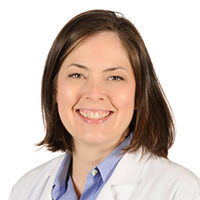 Gina Drobena, MD, CCMS
Program Director
An Arkansas native and Associate Professor of Pathology at UAMS, Dr. Drobena is board-certified in clinical pathology, transfusion medicine, and lifestyle medicine. After witnessing the impact of nutrition on her own health, she became a champion for plant-forward care and now leads UAMS’s Culinary Medicine electives and interprofessional workshops—equipping future providers with practical nutrition and cooking skills while extending this work to patients and communities across the state.
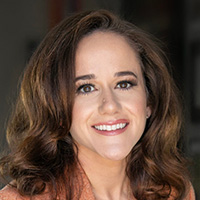 Alyssa Frisby, MS, RD, LD
Instructor; Senior Brand & Project Manager
A registered dietitian, Alyssa pairs a background in mass-media communications with advanced training in nutrition and formal culinary education. At UAMS she bridges evidence and practice—designing hands-on classes, translating culinary concepts into practical, nutritious meal solutions, and amplifying program impact on campus and in the community.
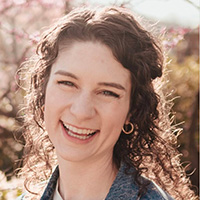 Shanleigh Powell, MPH, RD, LD
Instructor
Shanleigh is a registered dietitian with clinical and nonprofit teaching-kitchen experience. She earned a B.S. in Nutrition and completed a combined Dietetic Internship/Master of Public Health at UTHealth Houston, where she first saw the power of teaching kitchens and gardens in nutrition education. Her work focuses on prevention and chronic disease management—helping learners turn whole-food principles into flavorful, everyday cooking.
Additional faculty and staff can be found here: Faculty | UAMS Culinary Medicine.
Selected Testimonials
The elective fills largely by word of mouth and is consistently praised as a highlight of training. Curated reflections emphasize hands-on learning, immediate clinical relevance, and lasting changes to personal habits.
“This hands-on approach was an ideal learning experience.”
“I’m more confident reading nutrition labels and inspired to include more whole foods.”
“I portion my plate more appropriately now—with less meat and more vegetables and beans.”
“Doing an adequate nutrition survey and counseling on diet can provide many potential benefits.”
“Reading the case before cooking—and discussing it right after—made the clinical connection click.”
Additional quotes and stories are available on the UAMS testimonials page.
Lessons Learned & Advice for Other Programs
Flexibility, creativity, and strong champions matter. Leadership support and faculty enthusiasm have been essential to adoption and growth, and reserving seats for pharmacy learners has accelerated interprofessional culture change. Plan for sustainability by diversifying funding and protecting staffing. Be persistent, and dream big: use the ACCM curriculum to its fullest, stay flexible with partners, and keep dialogue open. Having a strong kitchen partner (or building your own) creates the buy-in needed to sustain and scale.


