


About
Program Overview
Geisinger’s Culinary Medicine program launched in April 2022 with a clear goal: bring hands-on food and health education directly to patients, medical learners, and employees across Pennsylvania. Housed in a repurposed Sears building alongside outpatient clinics, the teaching kitchen was built with grant support and equipped to deliver high-impact programming. From the start, it has served as both a clinical extension and a wellness hub, reflecting Geisinger’s broader mission as part of Risant Health (the nonprofit arm of Kaiser Permanente) to advance value-based care.
The program reaches an estimated 250 community members annually, alongside 150–200 medical students, residents, and fellows. Its offerings span multiple audiences:
- Medical students: Geisinger now offers two fourth-year electives. The first is a two-week course blending in-person and virtual learning that integrates Culinary Medicine into the Nutrition & Weight Management Clinic. Students spend three days in the teaching kitchen and two days in clinic each week, completing 12 Culinary Medicine modules in total. This elective is interdisciplinary, with students working alongside residents in both classroom and patient settings. The second elective is a 10-day intensive focused solely on Culinary Medicine, during which students complete ~20 modules and lead projects such as literature reviews on culinary medicine or myth-busting social media disinformation. In both electives, students assist with set-up and help facilitate patient classes.
- Residents & Fellows: Learners from 14 residency programs and fellows rotate through the kitchen. Internal medicine residents spend up to two weeks in block rotations, pediatrics integrates Culinary Medicine into orientation, and other programs use it for wellness retreats and team-building. Residents frequently join patient classes, gaining experience in counseling and motivational interviewing in real time.
- Community participants: Patients are referred through clinicians, dietitians, fliers, and employee newsletters, with sessions offered free of charge. Participants complete a four-class series, consisting of one in-person and three virtual sessions. Many are Geisinger employees who access the program through wellness incentives, and registration is also available directly through Epic.
- Geisinger employees and teams: Nursing units, cardiology teams, and even C-suite leaders have participated in customized Culinary Medicine team-building events, reinforcing the system’s commitment to food as a foundation of health while strengthening workplace culture.
With a hybrid model of in-person and virtual delivery, the program has embraced creativity to overcome logistical challenges. Limited kitchen hours and accessibility are offset by cold-prep activities, hybrid patient–student sessions, and online classes, ensuring consistent access to evidence-based, hands-on learning.
Looking ahead, Amy envisions teaching kitchens embedded in every region of Geisinger’s health system, ensuring that “every single doctor has one touchpoint in Culinary Medicine” while expanding access to other healthcare providers as well. Future plans include building Epic decision-tree prompts to trigger referrals, aligning Culinary Medicine with emerging Lifestyle Medicine initiatives, and ultimately establishing a dedicated teaching kitchen at the Scranton School of Medicine.
Faculty Leadership
Amy Pinkham, MS, RDN, CCMS
Program Lead
Amy Pinkham is a registered dietitian nutritionist and Certified Culinary Medicine Specialist with a passion for prevention and population health. She holds a master’s degree in nutrition from the University at Buffalo and studied Nutrition-Dietetics with a focus on EcoGastronomy at the University of New Hampshire. After global study in Italy deepened her understanding of food systems and the Mediterranean diet, she began her career in clinical nutrition before transitioning to lead Culinary Medicine at Geisinger. Today she manages community education, medical student electives, and resident training, ensuring Culinary Medicine is woven into both care delivery and provider wellness.
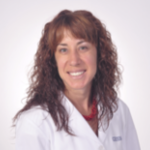
Jennifer Franceschelli Hosterman, DO, FAAP
Physician Champion
Dr. Franceschelli Hosterman plays a key role in the implementation of professional class programming for Geisinger’s resident and fellow population. Additionally, she supports all academic and research-related endeavors for the program. Dr. Franceschelli Hosterman received her medical degree from the Philadelphia College of Osteopathic Medicine in Philadelphia, Pennsylvania, before completing the Internal Medicine and Pediatrics residency and Nutrition and Weight Management fellowship at Geisinger Medical Center in Danville, Pennsylvania.
Her clinical interests and specialties include adult and pediatric malnutrition and comprehensive weight management. She is certified by the American Board of Internal Medicine, the American Board of Pediatrics, the American Board of Obesity Medicine, and the American Board of Physician Nutrition Specialists. Originally from Old Forge, Pennsylvania, Dr. Franceschelli Hosterman has worked for Geisinger for ten years.

Stacy Coolbaugh, MBA, RDN, LDN
Director of Clinical Nutrition
Stacy is the director of Geisinger’s Outpatient Clinical Nutrition department, which includes clinic settings as well as special programs such as Culinary Medicine, Fresh Food Farmacy, and Geisinger 65 Forward.
She received her BS in Clinical Dietetics and MBA from Marywood University in Scranton, Pennsylvania. Originally from Wilkes-Barre, Pennsylvania, she has worked for Geisinger for nine years.
Spotlight & Media
- Participants often share stories of life-changing impact, with follow-up emails months later describing discontinuation of blood pressure medications or significant weight loss.
- Residents note that cooking alongside patients reshapes their counseling approach, helping them better match language and strategies to patients’ health literacy levels.
- Objective pre- and post-class data demonstrate measurable gains in nutrition knowledge and cooking confidence among learners and participants.
- Residents especially value practicing motivational interviewing skills in real time—for example, using a five-pound block of butter to illustrate meaningful progress for patients discouraged by “only” losing five pounds.
Lessons Learned & Advice
Geisinger’s experience underscores the value of tailoring Culinary Medicine to the population being served, adapting recipes and lessons to fit local realities, health literacy, and patient expectations. Organization has also been key to success: with a lean team, the program depends on highly detailed prep systems, from equipment checklists and grocery lists organized by aisle to advance dry and perishable prep. Another priority has been robust metric tracking, ensuring consistent patient outreach and follow-up to reinforce impact. Together, these practices strike a balance between practicality and innovation, offering a model other sites can adapt to their own context.


