


About
Program Overview
The University of Kansas Medical Center (KUMC) Culinary Medicine Program brings together medical education, dietetics, gardening, and community partnerships to create a uniquely place-based model of food as medicine. Based in a metabolic research kitchen donated by the Department of Dietetics, the program blends didactic modules with hands-on cooking, food recovery, and garden-based learning. Students engage with partners like Kanbe’s Market to recover surplus produce and explore food insecurity firsthand, and they learn in KUMC’s four-block botanical garden, where a dedicated garden educator introduces them to raised-bed gardening, high tunnels, cattle-trough planters, and beekeeping.
The program is intentionally interdisciplinary: physicians, registered dietitians, a chef educator, and a garden educator collaborate to deliver sessions that connect food access, culinary skills, and chronic disease management. Electives like the Farm to Table to Clinic course extend this experience into clinical relevance, linking sustainable food systems with patient counseling and prevention strategies.
The program’s current reach include:
- Medical Students – 40–50 students participate annually through Culinary Medicine electives offered 3–4 times per year. Placement is competitive through a lottery system. Groups of 8–12 rotate alongside dietetics students through three-day blocks covering food insecurity, food allergies, sodium, and Health meets Food modules. Students volunteer with Kanbe’s Market to recover and sort produce, explore food deserts, and connect lessons to the patient experience. The summer Farm to Table to Clinic elective deepens learning with a 4–8 week interdisciplinary course exploring food access, chronic disease, local eating, and community outreach, integrated with student-selected cooking modules.
- Dietetic Students – Graduate dietetics students support Culinary Medicine as teaching assistants and research staff, adding interprofessional perspectives while strengthening their own applied skills.
- Residents & Fellows – Family Medicine and Internal Medicine residents take part in challenges such as the WIC Box Challenge and participate in other Culinary Medicine modules. Allergy fellows participate in wellness activities that integrate food allergy modules with garden-based learning.
Dr. Love envisions a future standalone Center for Culinary Medicine at KUMC, complete with a teaching kitchen, community garden, and expanded facilities. Her goal is to fully integrate Culinary Medicine into education and clinical care, while linking the program to regenerative agriculture initiatives in Kansas City. This center would position KUMC as a Midwest hub for Food is Medicine innovation.
Faculty Leadership
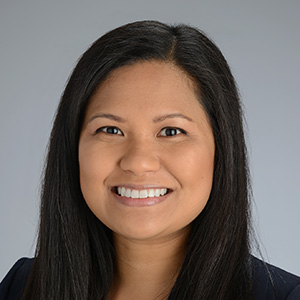 Marissa Love, MD – Dr. Marissa Love is an Assistant Professor of Allergy, Immunology, and Rheumatology at the University of Kansas Medical Center. Her work bridges clinical care, education, and research with a focus on food allergy, food insecurity, and culinary medicine. She has developed interprofessional programming in culinary medicine and is establishing a food security committee at her institution. Dr. Love also serves as a principal investigator in clinical trials on pediatric asthma and emerging peanut allergy therapies. Nationally, she is the Vice Chair of the New Members Committee for American College of Allergy, Asthma and Immunology and contributes to the advisory board for the American College of Culinary Medicine.
Clare Brady, MD – Assistant Professor in Family Medicine & Community Health. A board-certified family physician with fellowship training in Integrative Medicine, Dr. Brady emphasizes whole-person, preventive care and brings that perspective to Culinary Medicine teaching.
Margaret Smith, MD, MPH, CCMS – Associate Professor of Family Medicine & Community Health. Dr. Smith is a Certified Culinary Medicine Specialist who co-developed KU’s “Food as Medicine” course and supports curriculum delivery and program growth.
Spotlight & Media
- Flatland KC profiled KUMC’s partnership with the American College of Culinary Medicine, highlighting how the program is shaping future doctors’ understanding of food as medicine.
- KUMC News featured the “Food as Medicine” course and its impact on medical education and community engagement.
- Morning Medical Update showcased KUMC’s Culinary Medicine teaching in action.
- Culinary Medicine extends into the Kansas City community through outreach events. Students have cooked for the University Well-Being Conference, prepared recipes for Juneteenth celebrations, and joined local sports events to demonstrate anaphylaxis recognition and epi-pen use.
- Learner stories highlight transformation: one medical student who began as a self-described picky eater and reluctant gardener finished the program planting her own patio garden and connecting those lessons directly to patient care.
Lessons learned
KUMC highlights the importance of faculty champions across disciplines in sustaining Culinary Medicine. Integrating food access into medical education through partnerships like Kanbe’s Market and garden-based learning creates a more personal, impactful experience for learners.


